
Region of Western Greece, documented results for its wines in Japan and Korea
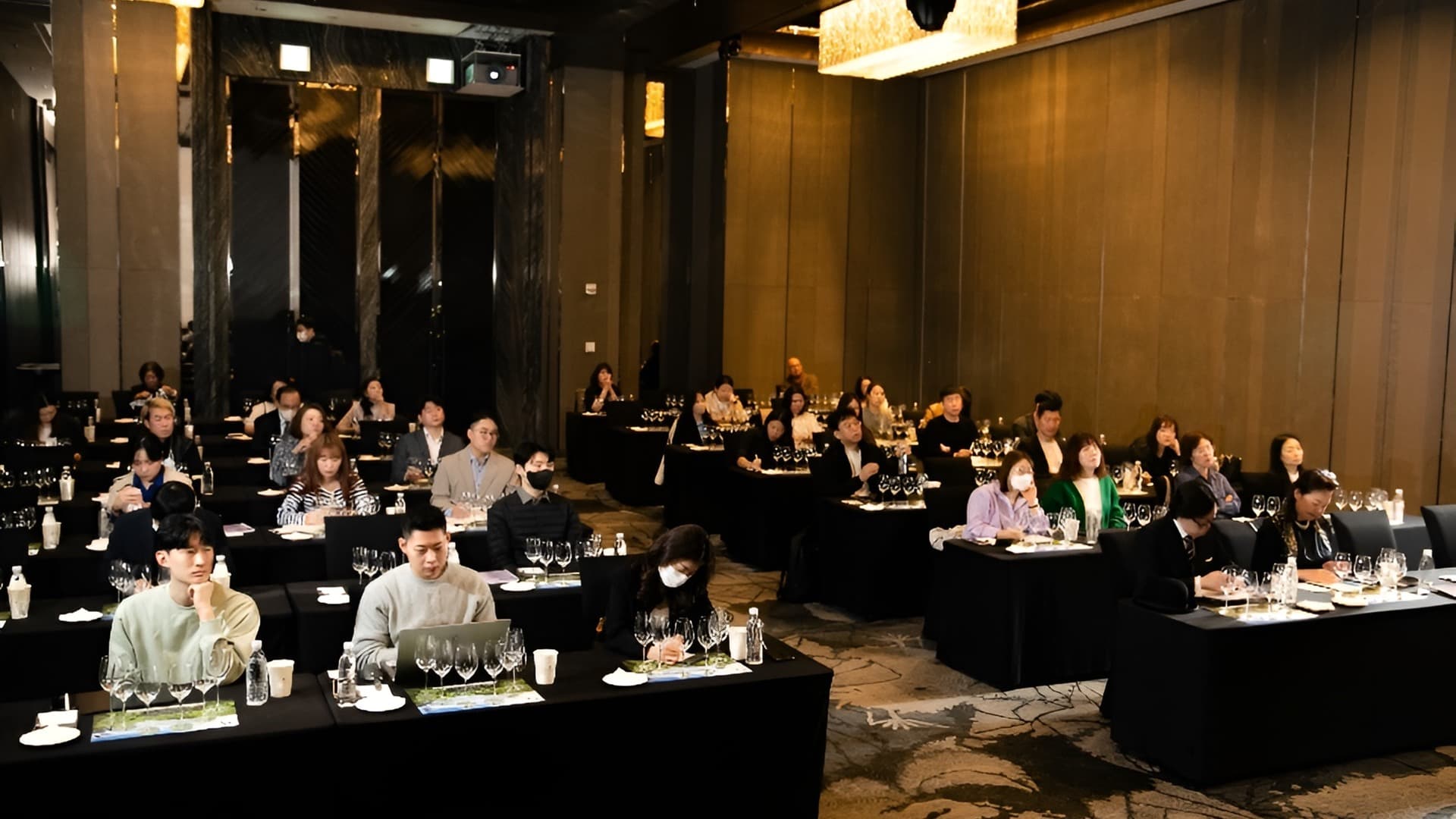
How OPUS measured the effectiveness of a three-year programme promoting the PDO and PGI wines of Western Greece in Japan and Korea, turning dozens of individual actions into documented, measurable results.
The organisation and the challenge
The Region of Western Greece, as lead applicant alongside the Chamber of Achaia and the Chamber of Ilia, ran the programme “Promotion of Quality Wines of the Region of Western Greece in Third Countries (Japan, Korea)” under the EU wine sector special support measure for the 2019–2023 programming period. The aim was to open two demanding Asian markets for eight flagship PDO and PGI zones of Achaia and Ilia — from Mavrodaphne and Muscat of Patras to the Slopes of Aigialia and Letrini — with 20 local wineries taking part.
The challenge was not only one of communication. The EU framework requires the beneficiary to prove, with data and indicators, that public funds delivered. The actions were numerous and varied — advertorials in specialist magazines, digital promotion, trade fairs, masterclasses, seminars and inbound buyer visits — and each reinforced the others. What was needed was a mechanism that could attribute their contribution objectively, and the first year of implementation coincided with the COVID-19 pandemic.
The OPUS solution
OPUS was appointed contractor for Action 4bb, the effectiveness study required under Article 6 of Ministerial Decision 491/62337 and submitted annually to the competent authorities. The deliverable covered the third year of implementation, from 1 September 2022 to 31 August 2023, together with an overall assessment of the programme’s results across the full three years.
We designed a data recording system that captured statistics, indicators and qualitative characteristics for every action. We sent structured questionnaires to the participating wineries and to the members of the project monitoring group, then cross-read the responses against the primary evidence of implementation: the activity log, photographic records and the deliverables themselves.
Every action was assessed with the same methodology — objectives analysis, identification of target groups, mapping of synergies with the other actions, KPIs, and scoring across five parameters: fit with the programme’s needs, efficiency, effectiveness, usefulness and sustainability. In parallel, we drew official import statistics from the Greek Economic and Commercial Affairs Office in Japan and from the South Korean Customs Service, so that the commercial results rested on independent data rather than estimates.
How the project unfolded
The third programme year was the most intensive. In Korea, advertorials ran in Wine Review and Mashija magazines alongside nine digital articles on the wine portals wine21.com and Mashija.com, while in Japan a double-page advertorial ran in WANDS. The programme website was refreshed in three languages — English, Japanese and Korean — supported by social media accounts in each market.
Then came the physical presence. Participation in the Wine & Gourmet fair in Tokyo in April 2023 placed the wines of Western Greece in front of more than 53,000 visitors, 58% of them international. Walkaround tastings and masterclasses in Tokyo, Osaka and Seoul drew 484 visitors and 148 participants respectively, while five training seminars at two of the most respected wine schools in the two countries educated 124 professionals. In June 2023, eighteen invited buyers, sommeliers and journalists from Japan and Korea visited the wineries of Achaia and Ilia.
The evaluation recorded that, despite the pandemic in the first year, the programme was implemented to 100% of its plan.
Key figures
Greek wine exports rose from €320k in 2020 to €730k in 2022
More than doubled from $231k to $475k, against a 5% target for the three years
Participating wineries across 8 PDO and PGI zones of Achaia and Ilia
The results
The study documented commercial results that went far beyond the targets originally set. Against a target of a 5% positive impact on annual Greek exports to the two markets, Greek wine imports into Japan more than doubled between 2020 and 2022, from €320k to €730k, while in Korea they rose by 105.6%, from $231k to $475k.
Behind the percentages sat concrete commercial relationships: three wineries from the region signed agreements in the Japanese market, another began working with a Korean partner, and one winery recorded a 28% increase in exports. Through the questionnaires, the participating wineries unanimously judged that the actions had been designed and executed soundly and had contributed to the recognition of the Western Greece vineyard, asking for the effort to continue into the new programming period.
Beyond the assessment itself, the study handed the beneficiary specific recommendations for designing the next programme: a sharper focus on business meetings with selected importers, a media plan rebuilt around current market trends, and the markets the wineries themselves ranked as the next priorities.
This project reflects the OPUS approach to evaluating co-financed programmes: we build the measurement mechanism, feed it with primary and independent data, and reach conclusions that withstand scrutiny and inform the next decision. If your organisation needs to substantiate the effectiveness of a programme, our team is here.